Login

Sign Up

After creating an account, you'll be able to track your payment status, track the confirmation and you can also rate the tour after you finished the tour.
Username*
Password*
Confirm Password*
First Name*
Last Name*
Birth Date*
Email*
Phone*
Country*
* Creating an account means you're okay with our Terms of Service and Privacy Statement.
Please agree to all the terms and conditions before proceeding to the next step

Already a member?

Login

Login

Sign Up

After creating an account, you'll be able to track your payment status, track the confirmation and you can also rate the tour after you finished the tour.
Username*
Password*
Confirm Password*
First Name*
Last Name*
Birth Date*
Email*
Phone*
Country*
* Creating an account means you're okay with our Terms of Service and Privacy Statement.
Please agree to all the terms and conditions before proceeding to the next step

Already a member?

Login

Category

Everest Base Camp Guide

Everest Base Camp (EBC) beckons adventure seekers from across the globe, offering a taste of the majestic Himalayas and the world’s tallest peak, Mount Everest. This iconic trek takes you through diverse landscapes, Sherpa villages steeped in tradition, and breathtaking panoramas that will leave you speechless. Let’s explore Everest Base Camp Guide.

This comprehensive guide by Travel Himalaya Nepal equips you with everything you need to know to plan your Everest Base Camp adventure.

Key Takeaways Table: Everest Base Camp Guide

Aspect Key Takeaway
Difficulty Moderate to strenuous, with acclimatization crucial
Duration 12-16 days, with 12 days spent trekking
Distance Around 120 kilometers (75 miles)
Best Season Spring (March-May) & Autumn (September-November)
Permits TIMS card & Sagarmatha National Park permit required

Planning Your Everest Base Camp Trek:

1. Choosing the Right Time:

The ideal trekking seasons for Everest Base Camp are spring (March-May) and autumn (September-November). These months offer clear skies, pleasant temperatures, and minimal rainfall. However, keep in mind that these are also the peak seasons, so expect higher costs and larger crowds.

2. Permits and Visas:

You’ll need a Tourist Visa for Nepal and two trekking permits:

    • TIMS Card (Trekkers’ Information Management System): Obtained in Kathmandu upon arrival.

    • Sagarmatha National Park Permit: Acquired at the park entrance gate.

3. Fitness Level and Training:

While technical climbing skills aren’t required, the EBC trek is moderately strenuous due to the high altitude. Regular training, including cardio exercises and hill walking, is highly recommended to prepare your body for the demands of the trek.

4. Choosing a Guide or Tour:

While independent trekking is possible, especially for experienced trekkers, it’s highly advisable to consider hiring a professional guide or joining a guided tour for first-timers. They’ll handle logistics, provide valuable insights, and ensure your safety throughout the journey.

5. Packing Essentials:

    • Hiking boots: Sturdy and well-broken in.

    • Clothing: Layered clothing system for varying temperatures, including thermals, fleece, waterproof jacket, and down jacket.

    • Headwear: Sun hat, warm beanie, and sunglasses.

    • Other essentials: Trekking poles, water bottle, headlamp, sunscreen, first-aid kit, and personal toiletries.

The Everest Base Camp Trek:

The classic EBC trek follows the well-established route starting in Lukla, known as the “Gateway to Everest.” Here’s a glimpse into the typical itinerary:

    • Days 1-2: Lukla to Namche Bazaar – This initial leg involves acclimatization and adjusting to the higher altitude. Namche Bazaar, a bustling Sherpa town, offers stunning views of the surrounding peaks.

    • Days 3-5: Namche Bazaar to Tengboche and Dingboche – Further acclimatization days with breathtaking views of Ama Dablam and Lhotse.

    • Days 6-8: Dingboche to Lobuche and Gorak Shep – The journey ascends towards Everest Base Camp, offering incredible panoramas of the Khumbu Valley.

    • Day 9: Hike to Kalapattar – Witness the awe-inspiring sunrise over Mount Everest from Kalapattar, the highest accessible point on the trek.

    • Days 10-12: Descend back to Lukla – Retrace your steps, enjoying the changing landscapes and celebrating your accomplishment.

Planning for Your next Trip to EBC ? Click Here

Travel Tips:

    • Respect the local culture: Dress modestly, be mindful of local customs, and avoid littering.

    • Be prepared for altitude sickness: Acclimatize properly, drink plenty of fluids, and descend if you experience any symptoms.

    • Embrace the journey: Take your time, soak in the scenery, and appreciate the unique experience.

Everest Base Camp: A Once-in-a-Lifetime Adventure

The Everest Base Camp trek is an unforgettable adventure that pushes your physical and mental limits while rewarding you with breathtaking scenery, cultural immersion, and a sense of personal achievement. By following this guide and planning meticulously, you can turn your dream of conquering the foothills of Everest into a reality.

For further information and inquiries, please contact Travel Himalaya Nepal, your trusted partner for trekking adventures in Nepal.

Budget:

    • Trekking Cost: Costs can vary depending on the chosen route, guide/tour, accommodation options, and personal spending habits. Budget around USD 2,500 – USD 4,000 for the trek itself, excluding international flights and additional expenses.

    • Flights: Lukla, the starting point, is accessible only by small airplanes. Flights can be expensive, especially during peak season. Consider booking well in advance to secure affordable options.

    • Accommodation: Tea houses are the primary accommodation option along the trek. These basic lodges offer dormitory-style rooms and meals for a fee. Budget around USD 10-20 per night.

Health and Safety:

    • Travel Insurance: Invest in comprehensive travel insurance covering medical emergencies, trip cancellations, and helicopter evacuation (highly recommended for high-altitude treks).

    • Vaccinations: Ensure you’re up-to-date on routine vaccinations and consider consulting a healthcare professional for recommendations specific to high-altitude travel.

    • Altitude Sickness: Be aware of the symptoms of altitude sickness (headache, nausea, dizziness) and ascend gradually to allow your body to acclimatize. Descend immediately if symptoms worsen.

    • Diamox (Acetazolamide): This medication can help prevent or alleviate altitude sickness. Consult your doctor for proper dosage and usage.

Sustainable Trekking:

    • Responsible Waste Management: Pack reusable water bottles and minimize single-use plastics. Dispose of waste properly at designated points.

    • Support Local Communities: Choose locally-owned tea houses and shops whenever possible. Be respectful of the environment and local culture.

Packing List (additional items):

    • Sleeping bag: Rated for temperatures down to -15°C (-5°F).

    • Water purification tablets or portable water filter: Safe drinking water is crucial.

    • Cash (Nepalese Rupees): ATMs are scarce in the region, so carry sufficient cash for emergencies and incidentals.

    • Camera and extra batteries: Capture the stunning scenery and document your unforgettable journey.

    • Power bank: Ensure your electronic devices stay charged throughout the trek.

    • Books or entertainment: Bring reading material or games to occupy yourself during rest days.

Conclusion:

By carefully considering these additional factors and packing essentials, you can ensure a safe, enjoyable, and responsible Everest Base Camp trek. Remember, this guide serves as a starting point. It’s crucial to conduct thorough research, choose a reputable trekking company, and prioritize your health and safety throughout your adventure.

Embark on your Everest Base Camp journey with Travel Himalaya Nepal, and experience the magic of the Himalayas firsthand!

Everest Base Camp Trek FAQs:

1. How difficult is the Everest Base Camp trek?

The Everest Base Camp trek is considered moderate to strenuous due to the high altitude. While technical climbing skills aren’t required, good physical fitness and proper acclimatization are crucial for a safe and enjoyable experience.

2. How long does the Everest Base Camp trek take?

The typical Everest Base Camp trek itinerary takes 12-16 days, with 12 days spent trekking. This includes acclimatization days for gradual ascent and proper adjustment to the high altitude.

3. What is the best time to go on the Everest Base Camp trek?

The spring (March-May) and autumn (September-November) seasons offer the best weather conditions for the Everest Base Camp trek, with clear skies, pleasant temperatures, and minimal rainfall. However, these are also the peak seasons with higher costs and larger crowds.

4. What are the permits required for the Everest Base Camp trek?

You’ll need two trekking permits for the Everest Base Camp trek:

    • TIMS Card (Trekkers’ Information Management System): Obtained in Kathmandu upon arrival.

    • Sagarmatha National Park Permit: Acquired at the park entrance gate.

5. Do I need a guide for the Everest Base Camp trek?

While independent trekking is possible, especially for experienced trekkers, hiring a professional guide or joining a guided tour is highly recommended, especially for first-timers. They provide valuable guidance, handle logistics, and ensure your safety throughout the journey.

6. What should I pack for the Everest Base Camp trek?

Essential items include:

    • Sturdy hiking boots

    • Layered clothing system for varying temperatures

    • Sun hat, beanie, sunglasses

    • Trekking poles

    • Water bottle

    • Headlamp

    • Sunscreen

    • First-aid kit

    • Personal toiletries

7. How much does the Everest Base Camp trek cost?

Costs can vary depending on the chosen route, guide/tour, accommodation options, and personal spending habits. Budget around USD 2,500 – USD 4,000 for the trek itself, excluding international flights and additional expenses.

8. How do I get to the starting point of the Everest Base Camp trek?

Lukla, the starting point, is accessible only by small airplanes from Kathmandu. Flights can be expensive, especially during peak season. Consider booking well in advance to secure affordable options.

9. What are the current COVID-19 protocols for the Everest Base Camp trek in 2024?

As of March 7, 2024, Nepal has lifted most COVID-19 restrictions for international travelers. However, it’s advisable to check the latest updates from the Nepal Tourism Board (https://ntb.gov.np/) and your chosen trekking company for any specific requirements or recommendations regarding testing, vaccination, or masking guidelines.

10. What alternative treks are there in the Everest region besides Everest Base Camp?

If the Everest Base Camp trek seems too challenging, consider these alternative treks in the Everest region:

    • Gokyo Lakes Trek: Offers stunning glacial lakes and panoramic Himalayan views at a slightly lower altitude.

    • Cho La Pass Trek: A more challenging option crossing a high mountain pass and offering unique cultural experiences in remote villages.

    • Jiri Everest Base Camp Trek: A longer route with diverse landscapes, starting at lower altitude for better acclimatization.

11. Is it possible to do the Everest Base Camp trek solo?

While technically possible for experienced and well-prepared trekkers, solo trekking is not recommended in the Everest region due to the high altitude risks and potential for emergencies. Opting for a guided tour or at least hiring a local guide for safety reasons is highly advisable.

12. What are the environmental considerations for trekking in the Everest region?

The Everest region is a fragile ecosystem. Be a responsible trekker by following these practices:

    • Minimize waste: Pack reusable water bottles and avoid single-use plastics. Dispose of waste properly in designated bins.

    • Respect the local environment: Avoid disturbing wildlife and plant life. Stick to designated trails and minimize your impact on the natural surroundings.

    • Support local communities: Choose locally-owned teahouses and shops whenever possible. Contribute to sustainable tourism initiatives if available.

13. What are some tips for acclimatization during the Everest Base Camp trek?

    • Ascend gradually: Follow the recommended itinerary with built-in acclimatization days. Don’t rush the ascent to avoid altitude sickness.

    • Drink plenty of fluids: Staying hydrated is crucial, especially at higher altitudes. Aim for at least 3-4 liters of water per day.

    • Listen to your body: Be aware of altitude sickness symptoms and descend if you experience any discomfort. Don’t hesitate to ask your guide for advice.

    • Avoid strenuous activity: Take rest days at designated points and avoid pushing yourself too hard, especially during the initial ascent.

14. What are the cultural norms and etiquette to be mindful of while trekking in the Everest region?

    • Dress modestly: Avoid overly revealing clothing, especially in villages and religious sites.

    • Respect religious practices: Be mindful of prayer flags, stupas, and other sacred sites. Ask permission before taking photographs.

    • Greet locals politely: Use Nepali greetings like “Namaste” and show respect towards the Sherpa culture and traditions.

By following these FAQs and conducting further research, you can ensure a safe, enjoyable, and culturally sensitive experience on your Everest Base Camp adventure.

Everest Base Camp Trek Gear List Latest Update 2024
14
Mar

Everest Base Camp Trek Gear List Latest Update 2024

The Everest Base Camp Trek (EBC Trek) is a legendary adventure that takes you through the heart of the Himalayas, culminating at the foot of the world’s tallest mountain, Mount Everest. The journey offers breathtaking landscapes, diverse cultures, and a true test of your physical and mental resilience. So, let’s explore everest base camp trek...
Read More
Environmental Conservation on Everest
14
Mar

Environmental Conservation on Everest: Protecting the Peak

For countless adventurers, Mount Everest stands as the ultimate challenge. Its snow-capped peak, piercing the thin air at 29,031 feet (8,848.86 meters), beckons with a promise of unparalleled accomplishment. The dream of scaling Everest, of standing atop the world, is a powerful one. However, alongside the allure of this iconic mountain lies a growing concern...
Read More
Lukla Airport Everest Base Camp Gateway
14
Mar

Lukla Airport: EBC Gateway | World’s Dangerous Airport 2024

Lukla Airport, also known as Tenzing-Hillary Airport, serves as the dramatic entrance to your Everest Base Camp adventure. Nestled amidst the awe-inspiring Himalayas at a staggering 2,860 meters (9,383 feet), Lukla offers an unforgettable arrival experience unlike any other airport in the world. Here’s what makes Lukla so unique. The Thrill of High Altitude Lukla...
Read More
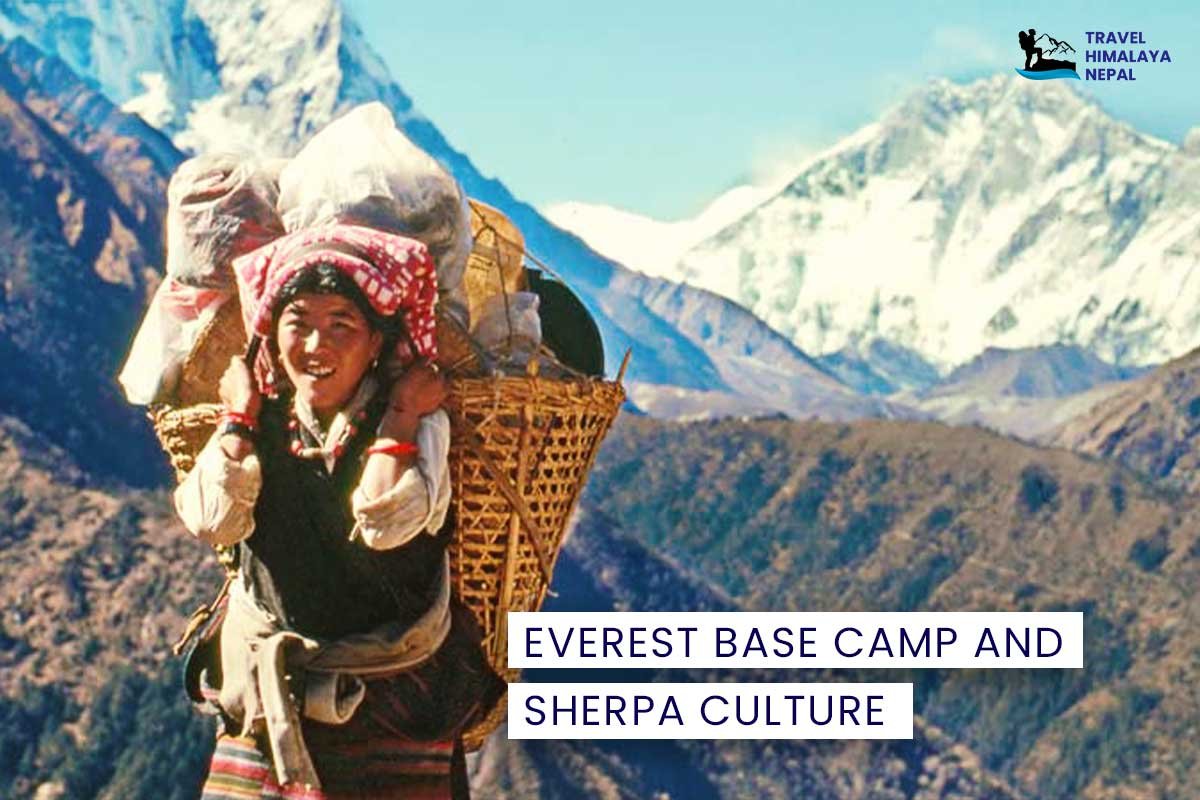
Everest Base Camp Trek and Sherpa Culture
13
Mar

Everest Base Camp and Sherpa Culture: Trek Through Tradition

Embark on a journey beyond the breathtaking panorama of the Everest Base Camp. This trek delves into the heart of the Solukhumbu region, where the legendary Sherpa culture thrives. Witnessing their way of life amidst the majestic Himalayas offers a profound experience that goes beyond the physical challenge of the trek. Sherpa Culture: A Glimpse...
Read More
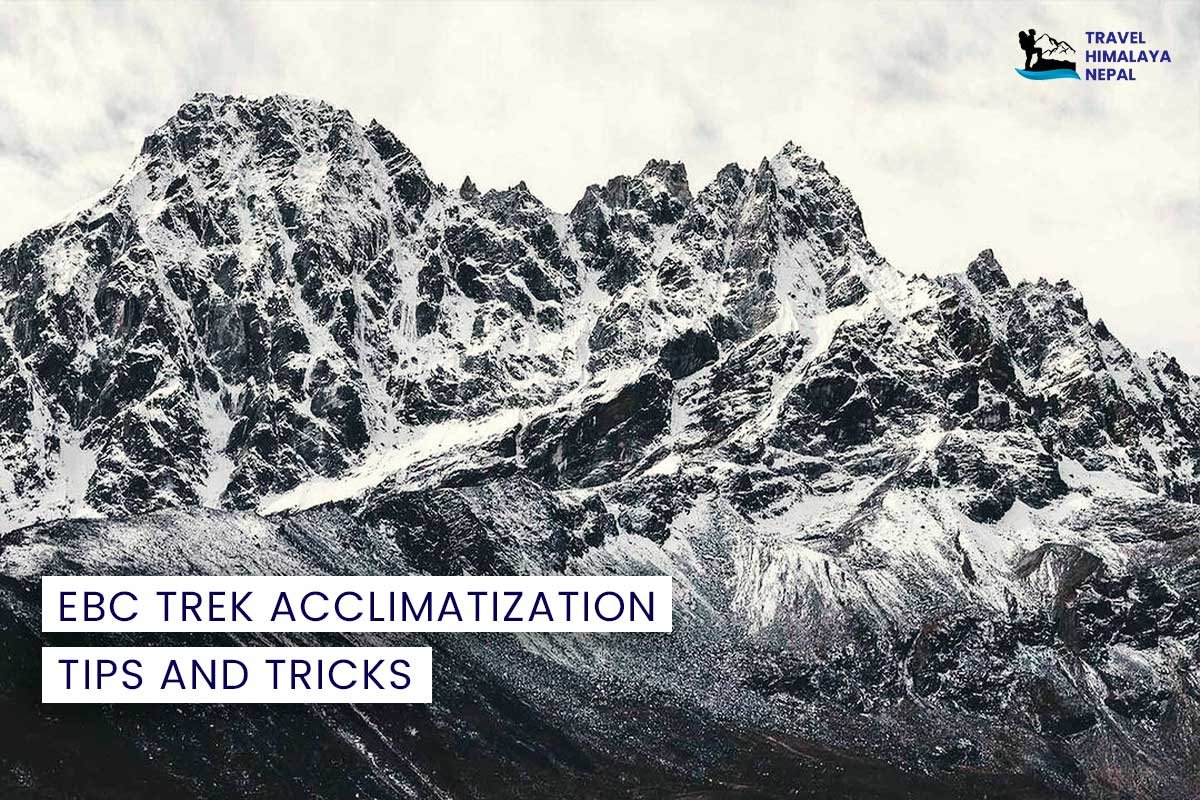
EBC Trek Acclimatization Tips and Tricks
11
Mar

EBC Trek Acclimatization Tips and Tricks: Everest Base Camp 2024

Imagine yourself standing amidst the towering giants of the Himalayas, gazing upon the majestic peak of Everest Base Camp (EBC). The crisp mountain air invigorates you, and the panoramic vista of snow-capped peaks leaves you breathless. But to truly experience the magic of the EBC trek, proper acclimatization is key. so let’s see EBC trek...
Read More
Everest Base Camp Trek Detailed Itinerary 2024 Updated
11
Mar

Everest Base Camp Trek Detailed Itinerary 2024 Updated

The Everest Base Camp Trek (EBC Trek) is not just a hike; it’s an adventure that takes you into the heart of the Himalayas, culminating at the foot of the legendary Mount Everest, the crown jewel of the world. we’ll explore Everest Base Camp Trek Detailed Itinerary that we have updated for 2024. This trek...
Read More
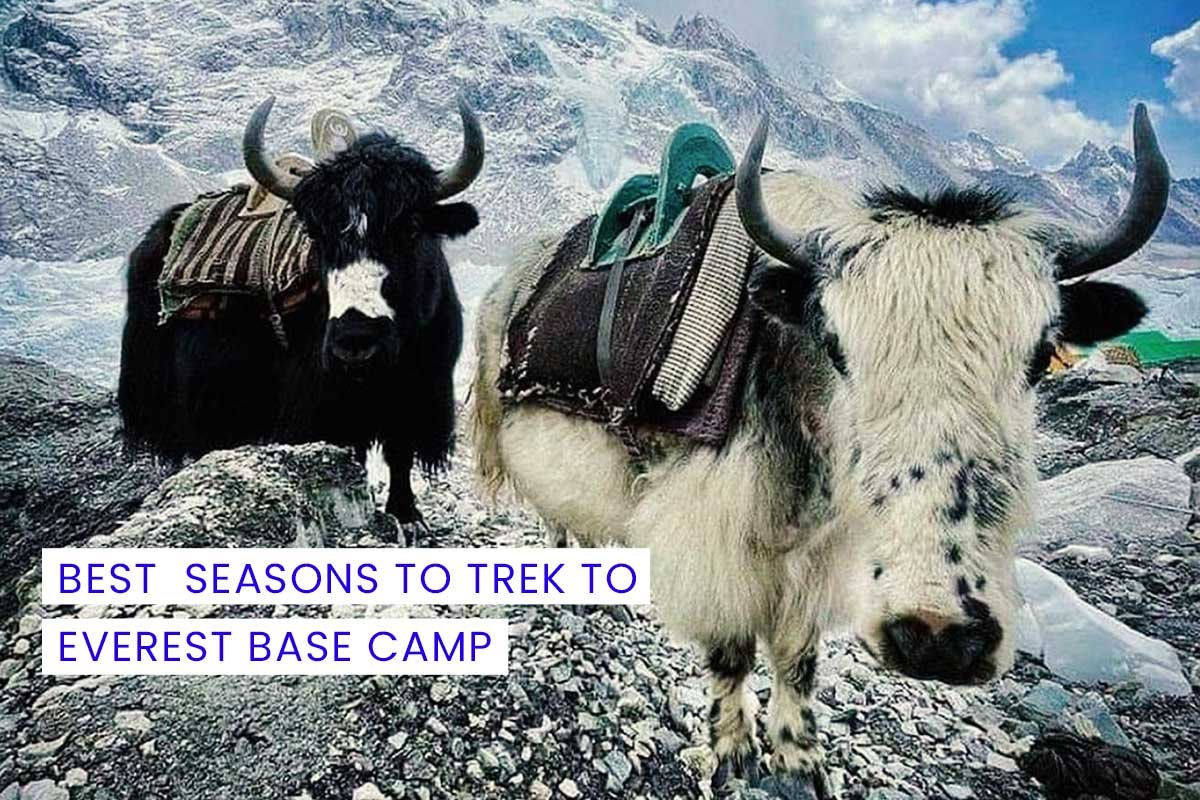
Best Seasons to Trek to Everest Base Camp
07
Mar

Best Seasons to Trek to Everest Base Camp: Adventurer Must Know

The majestic Everest Base Camp (EBC) trek, nestled in the heart of the Himalayas, beckons countless adventurers worldwide. But with its diverse weather patterns, choosing the best season to trek to Everest Base Camp is crucial for a safe and enjoyable experience. This guide by Travel Himalaya Nepal sheds light on the pros and cons...
Read More
Preparing for Everest
07
Mar

Preparing for Everest: A Beginner’s Guide

The majestic peak of Mount Everest, often referred to as “the roof of the world,” beckons adventurous spirits from around the globe. However, attempting to reach the summit requires years of experience, specialized skills, and significant physical and mental preparation. But fret not, aspiring climbers! This guide by Travel Himalaya Nepal equips you with the...
Read More